A laundromat does not make money simply because washers and dryers are sitting on the floor. Revenue comes from how often those machines are used, how the store is priced, how easy it is for customers to pay, and how well the business turns each visit into repeat business.
That is why two stores with similar equipment can perform very differently. One may depend almost entirely on self-service cycles. Another may layer in Wash and Fold, commercial work, loyalty, pickup and delivery, or better payment options. The strongest model is usually not about chasing every possible service. It is about understanding which revenue streams fit the store and managing them well.
Here is a practical look at where laundromat revenue comes from today.
1. Self-service wash and dry is still the core
For most laundromats, the largest share of revenue still starts with paid washer and dryer cycles. Every time a customer starts a machine, the store earns revenue.
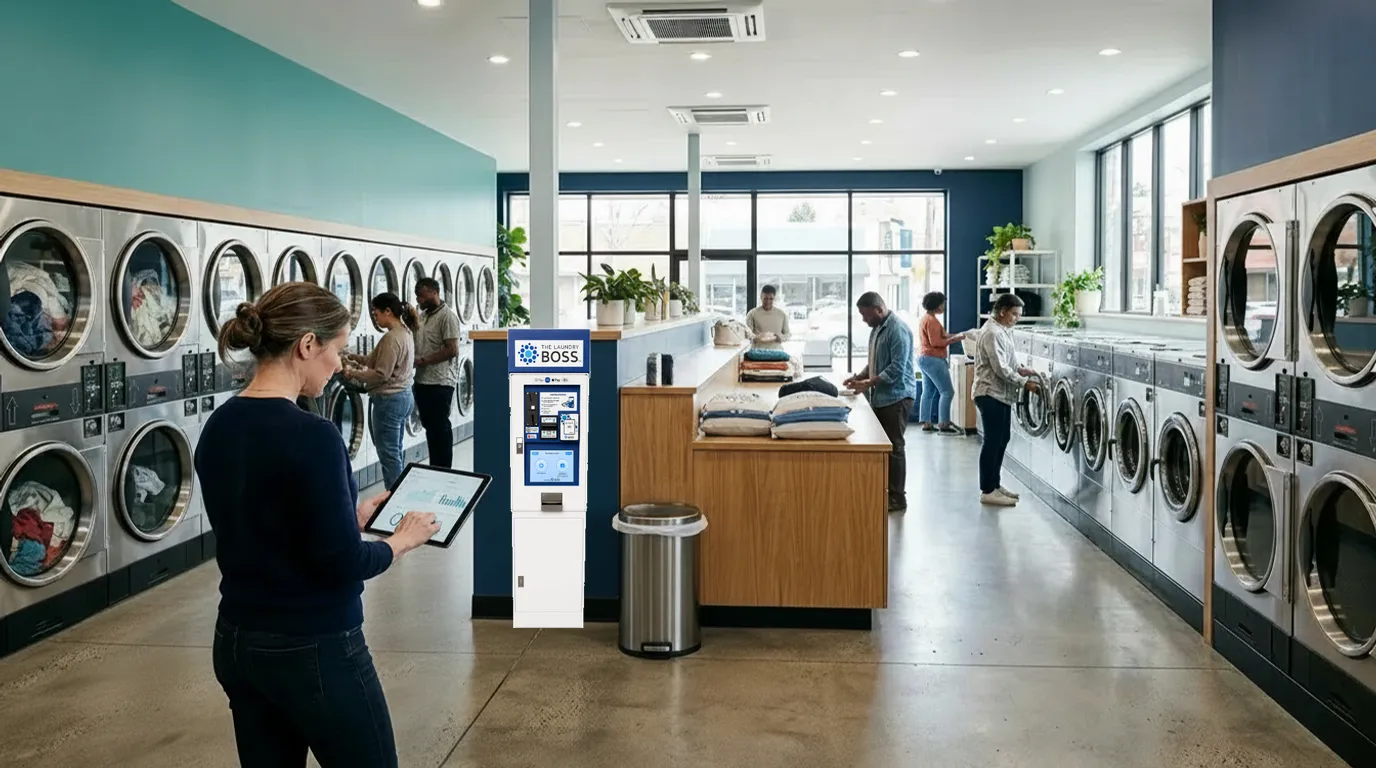
The important part is utilization. A machine that sits idle cannot generate income, even if it is new or expensive. Owners therefore need to think beyond machine count and pay attention to how often each machine is used, when demand is highest, and whether certain sizes consistently outperform others. A few numbers, all visible in a real-time owner dashboard, help show whether the floor is really performing:
- Revenue per machine
- Turns per day
- Peak and off-peak usage
- Most- and least-used machine sizes
- Downtime and out-of-service trends
2. Payment flexibility helps prevent lost sales
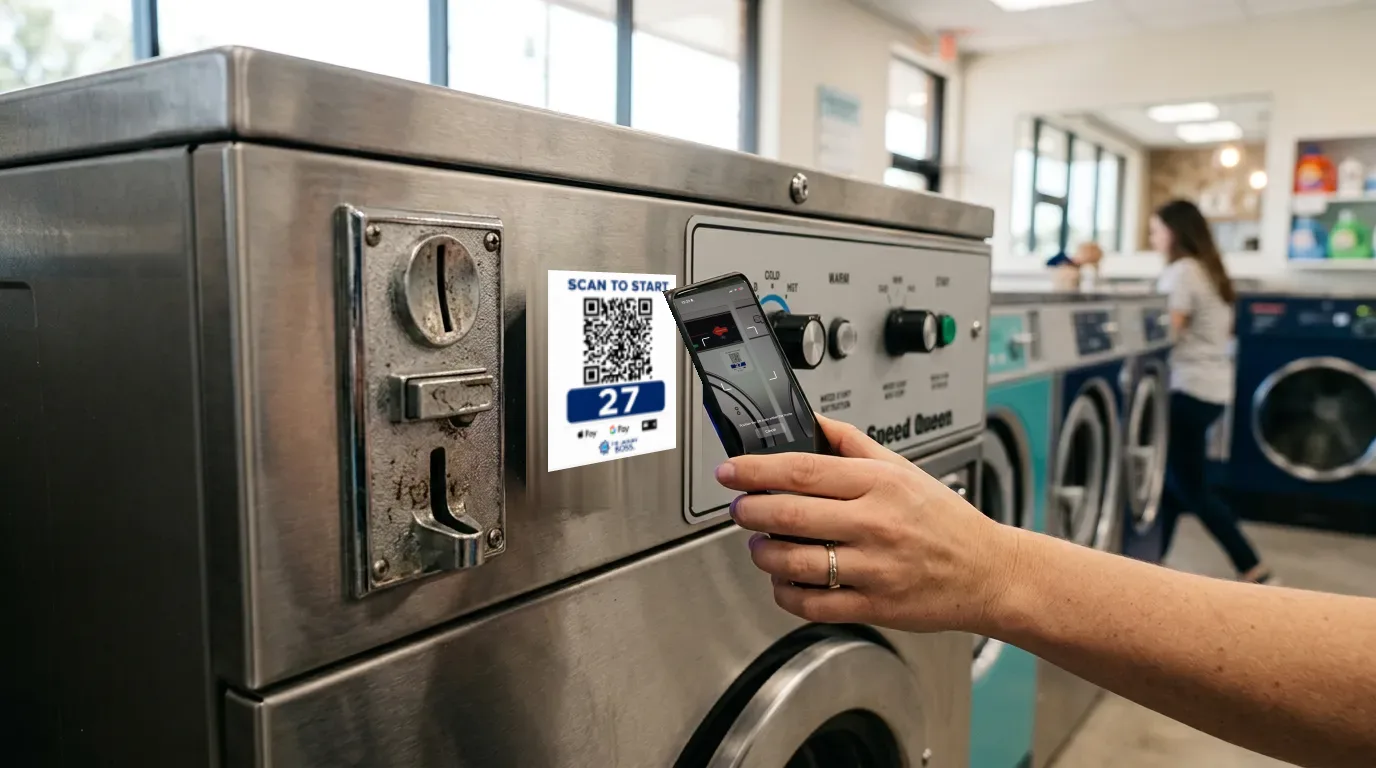
Payment methods do not create a separate revenue stream, but they can determine whether a sale happens at all. A customer who prefers tap-to-pay, card, mobile, cash, or coin should not have to leave because the store cannot accept the payment method they have available. Giving customers more ways to pay reduces friction at the exact moment they are ready to spend. In the Federal Reserve's 2025 Diary of Consumer Payment Choice (opens in a new tab), cash made up 14% of U.S. consumer payments, while credit and debit cards together accounted for 65%. We break down the revenue side of this in how card payments increase laundromat revenue.
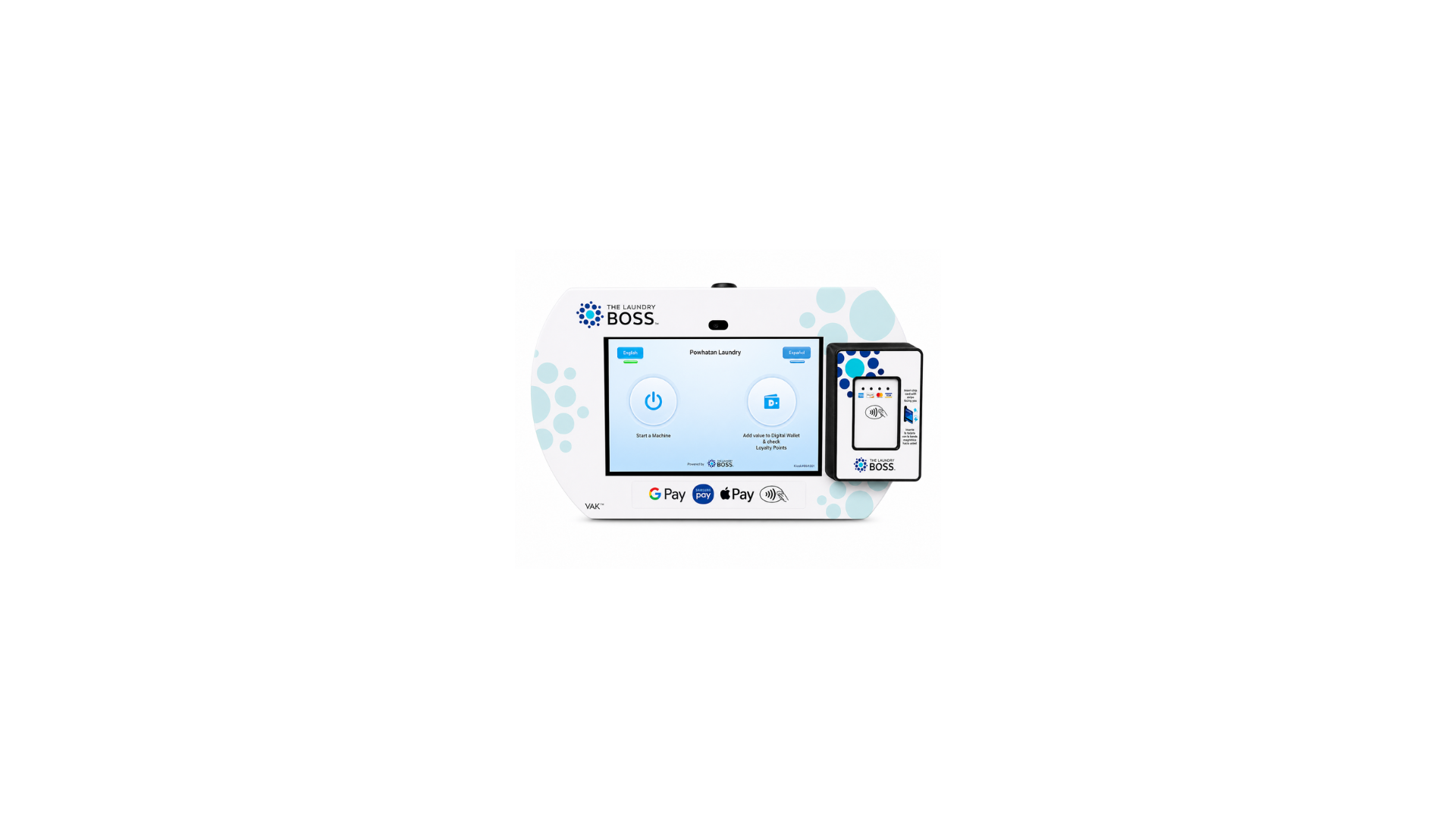
For operators, modern payment systems can also create better visibility into transactions. Instead of relying only on collections, owners can see more clearly when revenue is coming in, which machines are being used, and how payment behavior changes over time. This is where The Laundry Boss fits naturally: machine-level card readers, self-service kiosks, and the customer mobile app help operators modernize payment options while keeping visibility and control in one system.
3. Wash and Fold turns machine time into service revenue
Self-service customers pay for access to the machine. Wash and Fold customers pay for convenience. That difference can make Wash and Fold an important second revenue stream. The store is no longer selling only a wash and dry cycle; it is selling labor, time savings, folding, packaging, and a finished result. A dedicated tool like the Wash & Fold Module helps track orders, weights, and pricing so the service stays profitable. Before pricing the service, owners should account for:
- Labor time
- Detergent and supplies
- Packaging
- Order handling and storage
- Machine capacity used by service orders
4. Pickup, delivery, and commercial work can expand the market
A laundromat traditionally earns from customers who come to the store. Pickup and delivery allows the business to earn from customers who may never walk through the door. Commercial accounts can do something similar by creating recurring work from businesses that regularly need towels, linens, uniforms, or other washable items processed.
Before adding volume, the operator should understand the operational cost behind it:
- Drivers and routes
- Labor and turnaround time
- Packaging and order handling
- Commercial account pricing
- Machine capacity during busy periods
5. Add-on sales increase the value of each visit
A customer is already in the store, often for 60 minutes or more. That creates opportunities for small additional purchases, and ringing them up through a point-of-sale system keeps them in the same reports as machine revenue. Useful add-ons can include:
- Detergent and dryer sheets
- Laundry bags
- Vending and beverages
- ATM services
- Dry-cleaning or partner services
6. Loyalty and promotions can grow repeat revenue
A laundromat does not need a new customer for every new dollar of revenue. Getting an existing customer to return more consistently can be just as valuable. Loyalty programs, reload bonuses, off-peak promotions, referral offers, and targeted discounts, delivered through a branded customer app, can help encourage repeat visits or shift traffic into slower periods. The useful questions are:
- Did the offer bring the customer back?
- Did average spend increase?
- Did the promotion improve usage during a slower period?
- Did the customer continue returning after the offer ended?
7. Better visibility helps owners protect the revenue they already have
Revenue growth is not always about adding a new service. Sometimes it comes from fixing what is already leaking. An out-of-service machine, a payment problem, an underused washer, or an unnoticed slow period can all reduce revenue without being obvious at the end of the day. Tools like the Attendant App and the AI Attendant help staff catch and resolve issues on the spot. Owners should be able to quickly spot:
- Machines that are unexpectedly idle
- Payment issues or failed transactions
- Revenue changes by day or machine
- Slow periods that may need attention
- Patterns in customer and payment activity
Revenue is not the same as profit
A laundromat can generate strong sales and still underperform if expenses are not controlled. The useful question is not only, "How much revenue did this service generate?" It is also, "What did it cost us to generate it?" Our ROI calculator is a quick way to model how payment and operational changes affect your numbers. Common costs that affect the bottom line include:
- Water, gas, and electricity
- Rent and payroll
- Repairs and maintenance
- Supplies and cleaning
- Insurance and payment processing
- Technology and marketing
The modern laundromat has more than one way to win
Washers and dryers remain the foundation of the laundromat business. What has changed is how many ways owners can build around that foundation. A modern store may earn from several areas at once:
- Self-service wash and dry
- Wash and Fold
- Pickup and delivery
- Commercial accounts
- Add-on sales
- Loyalty-driven repeat business
How The Laundry Boss helps
As stores add more ways to pay and more ways to earn, visibility becomes more important. The Laundry Boss helps laundromat owners connect payment activity, machine performance, and operational data in one platform. That gives operators a clearer view of what is working, where revenue is coming from, and where the business may be leaving money on the table. See how other operators have put it to work in our case studies, or compare plans on the pricing page.
Better decisions start with better visibility.
Sources and further reading
- Federal Reserve Financial Services: 2025 Diary of Consumer Payment Choice (opens in a new tab) — National data on how U.S. consumers pay, including cash, card, and mobile usage.
- CLA, The Laundry Association (opens in a new tab) — Industry trade association offering education, market insights, and networking for laundry owners.